


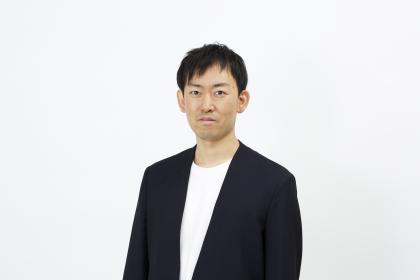
Led by Dr Jun Ishihara at Imperial College London, this three-year project will test a new and original immunotherapy (CBD-IL-12) for low grade serous ovarian cancer. Developed by Dr Ishihara himself, this new therapy has already shown to have very strong anti-tumour efficacy against high grade serous ovarian cancer.
Low-grade serous ovarian cancer (LGSOC) is a distinct subtype of ovarian cancer characterised by slow growth and relative resistance to conventional chemotherapy and immune checkpoint inhibitors (CPIs). Due to the limited success of these treatments innovative therapies are needed.
This project will provide information related to tumour characters that will boost our understanding of this disease – leading to the potential for new effective drugs for low grade serous ovarian cancer patients. Something desperately needed to address the lack of robust treatment options currently available.
Why immunotherapy?
Immunotherapies, which activate the immune system to improve its response when attacking cancer cells, have become standard therapy for many cancer types - enabling prolonged effects including prevention of recurrence and metastasis.
Unfortunately, serous ovarian cancer responds poorly to the current standard immunotherapies due to the inactivation of the immune system, a resistance to immunotherapy and a difficulty in delivering drugs to the tumour sites. This means that there is still huge room for improvement in immunotherapy for low grade serous ovarian cancer.
What is the intended outcome of this research?
During previous research the team made a promising immunotherapy protein called interleukin-12 (IL-12) that is known to successfully activate anti-tumour immune cells against several cancers. This new project will explore whether the newly developed tumour-specific bioengineered immunotherapy (CBD-IL-12) can become a breakthrough for low grade serous ovarian cancer. Taking us one step closer to an immunotherapy option that offers long-term effects and low side effects, with the potential to translate to a clinical setting for LGSOC patients in the future.
Dr Jun Ishihara, principal investigator, said:
New technologies such as protein engineering are transforming the cancer treatment landscape. The combination of immunotherapy and protein engineering is our laboratory’s strength. We are actively developing new, safe, and efficient engineered immunotherapy. During this research, we will explore the application of our immunotherapy to low-grade serous ovarian cancer, evaluating our drugs and understanding how they work. This research project could provide hope for many of those affected by low-grade serous ovarian cancer.
Catherine Hart, Chief Executive of Target Ovarian Cancer, said:
We know that there is an urgent need for more effective, kinder treatments for ovarian cancer and we are very proud to be working towards this with another funded project at Imperial College London. This project will advance our understanding of low grade serous ovarian cancer and could unlock a new type of immunotherapy - providing hope for the future. A special thank you to the Freddie Green & Family Charitable Foundation and for the generous legacy gift we received, designated for research into low grade serous ovarian cancer.
Target Ovarian Cancer funds pioneering research to stop ovarian cancer devastating lives. The projects we support are working to improve outcomes and find better, more personalised treatments – helping provide hope for the future.