Find out how different genetic variants can increase the risk of developing ovarian cancer. These gene variants are the ones that you will be offered testing for.
Variants in the BRCA1 or BRCA2 genes cause most hereditary ovarian cancers. About 15 per cent (15 in every 100) of those who develop ovarian cancer have a variant in either their BRCA1 or BRCA2 gene.
Variants in other genes also increase the chance of developing ovarian cancer. Researchers haven’t yet found all the genes linked to an increased risk of ovarian cancer. But research into gene variants is ongoing.
Gene variants can increase your risk of cancer, whatever your sex. Men can’t develop ovarian cancer. But they're offered genetic testing because they can pass on gene variants to their children. Some gene variants also increase the chance of men developing certain cancers such as male breast cancer, prostate and pancreatic cancer. Not everyone who inherits a gene variant will develop cancer, but it does increase the risk.
Variants in different genes carry different increases in risk. If you choose to have genetic testing, you will be given accurate results for your personal risk of certain cancers. You will also be given information about preventative options to reduce your risk of developing other cancers.
Genetic testing and hereditary ovarian cancer guide
Read or order our guide about genetic testing and hereditary ovarian cancer for free.
The risk of developing ovarian cancer with no gene variant
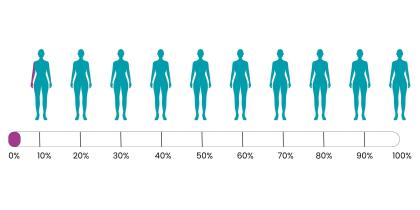
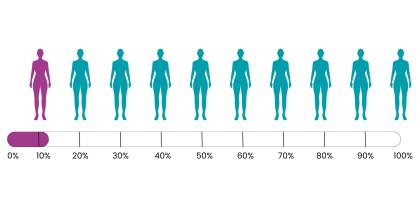
The risk of developing ovarian cancer in your lifetime if you don’t have a gene variant is 2 per cent (2 in 100 chance).
Illustration showing the risk of ovarian cancer without a gene variant
BRCA1 and BRCA2 genes
The BRCA1 and BRCA2 genes are named after the term BReast CAncer genes. They were found in families that had a lot of cases of breast cancer in the mid-1990s.
BRCA1 and BRCA2 genes normally help protect you against cancer. This is because they help repair breaks in DNA that can lead to cancer. Variants in these genes increase the chance of developing certain cancers, such as ovarian cancer and breast cancer.
BRCA1
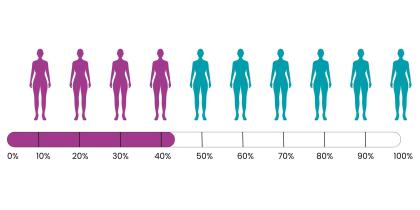
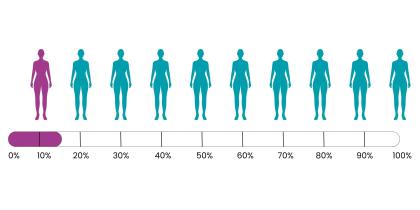
If you have a BRCA1 gene variant then your risk of developing ovarian cancer in your lifetime increases to around 44 per cent (44 in 100 chance).
Illustration showing the risk of ovarian cancer with a BRCA1 gene variant
BRCA2
If you have a BRCA2 gene variant then your risk of developing ovarian cancer in your lifetime increases to around 17 per cent (17 in 100 chance).
Illustration showing the risk of ovarian cancer with a BRCA2 gene variant
MLH1, MSH2 and MSH6 genes
The MLH1, MSH2, MSH6 and PMS2 genes are part of the DNA mismatch repair process. This process helps to repair breaks in your DNA.
Variants in the MLH1, MSH2, MSH6 and PMS2 genes are linked to Lynch syndrome. This is an inherited condition that causes an increased risk of ovarian cancer.
If you have a variant in the MLH1, MSH2 or MSH6 gene then your risk of developing ovarian cancer in your lifetime increases to between 6 to 13 per cent (up to 13 in 100 chance).
Illustration showing the risk of ovarian cancer with a MLH1, MSH2 and MSH6 genes
There’s no significant increased risk of developing ovarian cancer if you have a variant in the PMS2 gene.
A variant in one of the Lynch syndrome genes also increases the chance of developing bowel and womb (endometrial) cancer. Macmillan has more information about the increased risk of developing cancer with Lynch syndrome.
RAD51C, RAD51D and BRIP1 genes
RAD51C, RAD51D and BRIP1 genes help to repair breaks in your DNA. Variants in these genes can increase the risk of developing ovarian cancer but these variants are very rare.
RAD51C
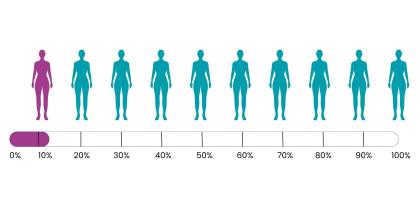
If you have a RAD51C gene variant then your risk of developing ovarian cancer in your lifetime increases to around 11 per cent (11 in 100 chance).
Illustration showing the risk of ovarian cancer with a RAD51C gene variant
RAD51D
If you have a RAD51D gene variant then your risk of developing ovarian cancer in your lifetime increases to around 13 per cent (13 in 100 chance).
Illustration showing the risk of ovarian cancer with a RAD51 gene variant
BRIP1
If you have a BRIP1 gene variant then your risk of developing ovarian cancer in your lifetime increases to around 5 to 15 per cent (up to 15 in 100 chance).
Illustration showing the risk of ovarian cancer with a BRIP1 gene variant
PALB2 gene
Variants in the PALB2 gene mainly increase the risk of developing breast cancer. But PALB2 gene variants can increase your risk of developing ovarian cancer slightly, usually after the age of 50.
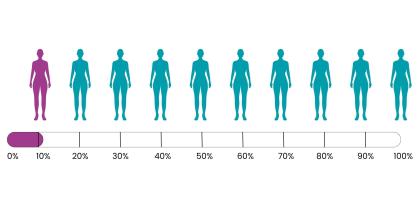
If you have a PALB2 gene variant then your risk of developing ovarian cancer in your lifetime increases to 5 per cent (5 in 100 chance).
Illustration showing the risk of ovarian cancer with a PALB2 gene variant
STK11 gene
Variants in the STK11 gene may increase the risk of developing ovarian sex cord stromal tumours. This is a different type of ovarian tumour to epithelial ovarian cancer. Sex cord stromal tumours can also be benign (non cancerous). If you’re diagnosed with a sex cord tumour with annular tubules you may be offered genetic testing for variants in the STK11 gene.
Variants in the STK11 gene cause Peutz-Jeghers syndrome. This is an extremely rare condition where polyps (small growths) develop in the digestive tract (the organs that absorb food and drink). It’s estimated to affect 1 in 100,000 people.
There’s limited evidence about the increased risk of developing ovarian cancer for people with Peutz-Jeghers syndrome. If you have a variant in the STK11 gene, speak to your clinical genetics team who can tell you more.
We are PIF TICK accredited. That means you can trust that our information is based on the latest evidence, regularly updated and easy to follow. To learn more about our review process, take a look at our information standards.
References
Below is a sample of the references used in our genetic testing and hereditary ovarian cancer information. If you'd like more information about the sources we use, please email us at [email protected]
Kuchenbaecker, K., Hopper, J., Barnes D., Phillips, K., Mooij, T., Roos-Blom, M. … Olsson, H. (2017) Risks of Breast, Ovarian and Contralateral Breast Cancer for BRCA1 and BRCA2 Mutation Carriers. JAMA 317(23):2402-2416. Available at DOI: 10.1001/jama.2017.7112 [Accessed November 2025]
Yang X. et al (2020) Ovarian and Breast Cancer Risks Associated With Pathogenic Variants in RAD51C and RAD51D. J Natl Cancer Inst [Internet]. (12)112:1242–50. Available at DOI: 10.1093/jnci/djaa030 [Accessed November 2025]
Keep in touch
Sign up to receive emails and keep up to date on all things Target Ovarian Cancer